


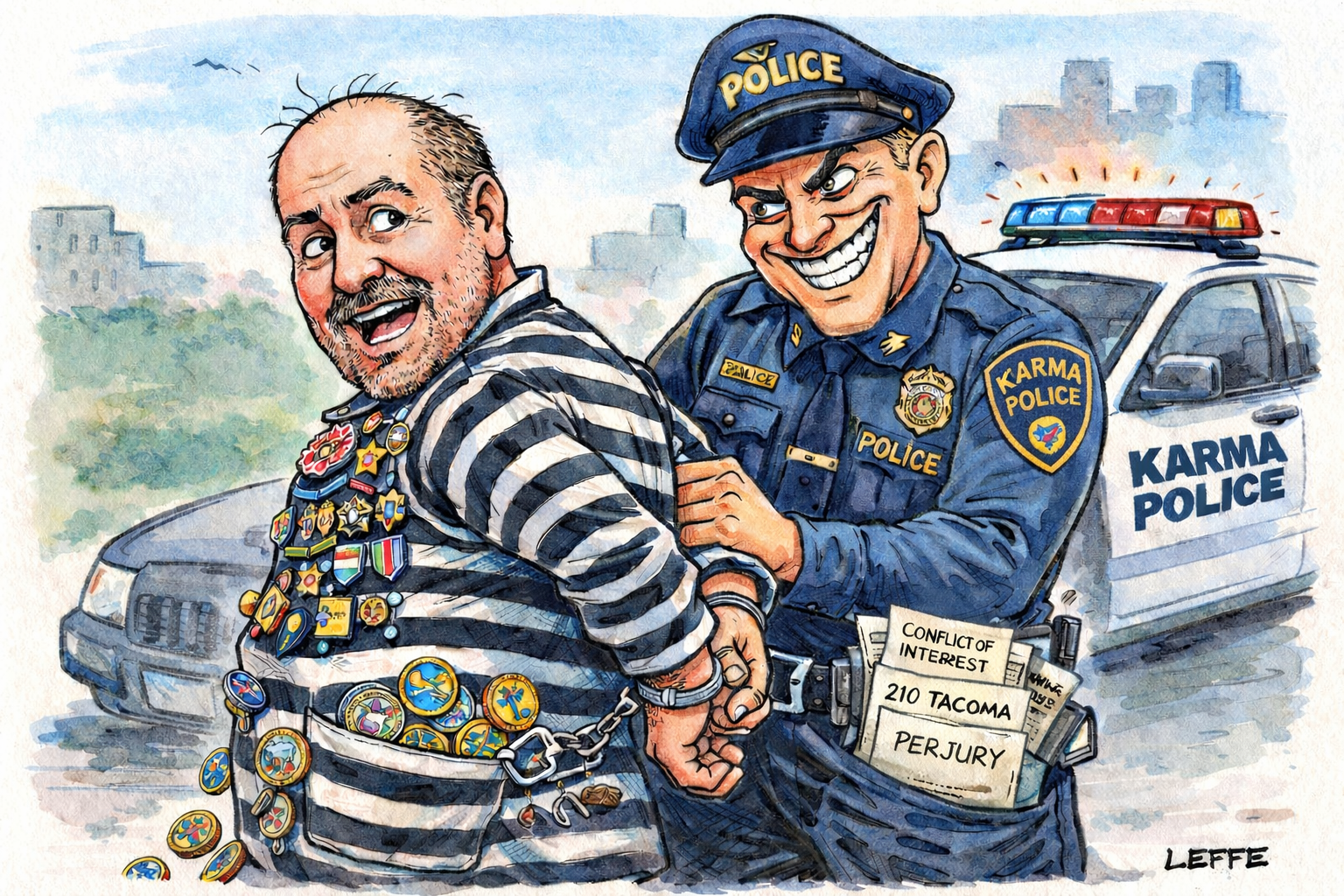
One of the most basic skills we learn in adult life, whether we work in a newsroom, a factory, a classroom, or public office, is how to respond to criticism. Not all criticism is fair, not all of it is delivered well, but how we handle it says far more about our character than the criticism itself. When a supervisor, a board, or a boss tells you something needs to change, the situation is rarely complicated, even if emotions make it feel that way.
In practical terms, there are only a few paths forward. You can make the requested changes and move on. You can ask clarifying questions and seek guidance on how to improve. You can engage in a professional conversation that leads to compromise or understanding. Or, if the situation truly feels untenable, you can choose to walk away. What does not belong on that list is retaliation, personal attacks, or an attempt to punish the people offering feedback.
Communication is the difference between resolution and chaos. Open dialogue allows misunderstandings to be corrected, expectations to be clarified, and relationships to be repaired. Even difficult conversations, when handled professionally, often lead to better outcomes than silence or defiance. Most conflicts at work, and in life, are not caused by disagreement itself but by the refusal to communicate honestly and respectfully.
The moment someone decides to skip that process and instead lash out, the situation stops being about performance or policy and becomes about ego! Attacking supervisors, spreading rumors, defaming colleagues, or attempting to intimidate critics does not strengthen a position. This path undermines credibility, escalates conflict, and signals an inability to function within any structured system that requires accountability.
This same principle applies beyond the workplace and squarely into public life. When an elected official is criticized by constituents, the dynamic is no different in substance. Voters are not enemies. They are, in effect, the boss. They raise concerns, ask questions, and expect dialogue. A public servant who can listen, explain decisions, admit mistakes when necessary, and adjust course earns trust, even from critics.
Reframed in that light, the current recall facing Chris Barnett becomes easier to understand. Recalls do not materialize out of thin air. They form when large numbers of people feel ignored, dismissed, or attacked rather than heard. A sitting county commissioner facing such a challenge always has options. He can engage directly with constituents. He can address allegations head on. He can invite discussion, debate policy, and demonstrate a willingness to adapt and overcome.
What voters tend to reject, consistently and predictably, is hostility in place of dialogue. When criticism is met with bullying, intimidation, or personal attacks, the conflict deepens. Letters multiply. Trust vanishes. Opposition hardens. What could have been resolved through conversation turns into a public reckoning.
As a newspaper, our role is not to participate in recalls but to explain them. In plain terms, this situation serves as a reminder that leadership is not about authority alone, it is about temperament. The ability to hear criticism without turning it into warfare is not weakness. It is competence. In government, as in any workplace, those who refuse to communicate eventually find themselves isolated, and accountability arrives whether they welcome it or not.