


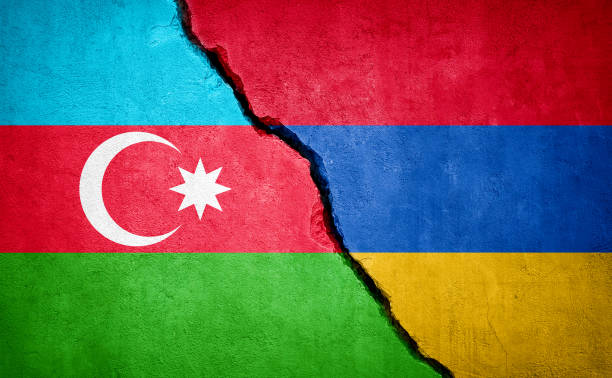
The long-standing conflict between Armenia and Azerbaijan may be approaching a historic turning point as the leaders of the two nations prepare to sign a peace agreement at the White House on Friday. According to President Donald Trump, the agreement has the potential to end decades of hostilities between the neighboring countries, whose disputes have fueled repeated cycles of violence and instability in the South Caucasus region.
Armenian Prime Minister Nikol Pashinyan and Azerbaijani President Ilham Aliyev are scheduled to meet in Washington, D.C., for the formal signing ceremony. The White House has described the upcoming event as the culmination of extensive diplomatic negotiations facilitated by U.S. officials. In addition to the bilateral peace accord, both leaders are expected to sign separate agreements with the United States, though details on the nature of those agreements have not yet been disclosed.
The conflict between Armenia and Azerbaijan has centered primarily on the disputed Nagorno-Karabakh region, a mountainous area internationally recognized as part of Azerbaijan but populated largely by ethnic Armenians. Since the late 1980s, tensions over the region have erupted into several major wars, most recently in 2020, when a six-week conflict resulted in thousands of casualties and significant territorial changes under a Russia-brokered ceasefire. Despite that agreement, periodic clashes and strained relations have continued in the years since.
Efforts to mediate a lasting settlement have involved various international actors, including Russia, the European Union, and the Organization for Security and Co-operation in Europe (OSCE). However, shifting geopolitical dynamics and regional rivalries have often complicated progress. U.S. involvement in this latest push for peace marks a significant intervention, signaling Washington’s interest in promoting stability in the South Caucasus and reducing the risk of renewed violence.
While the full text of the proposed peace deal has not been made public, analysts suggest it may address several key issues, including the demarcation of borders, the reopening of transportation links between the two countries, security guarantees for ethnic communities, and mechanisms for monitoring compliance. Whether the agreement will include a framework for the final status of Nagorno-Karabakh remains uncertain, as that question has historically been one of the most contentious points in negotiations.
For Armenia, the potential peace accord could bring an opportunity to strengthen its economy through expanded trade and regional integration, while reducing the constant threat of border conflict. For Azerbaijan, it could secure international recognition of its territorial integrity and open the door to enhanced diplomatic and economic ties.
The White House has not yet confirmed which U.S. officials will attend Friday’s signing, but the event is expected to draw significant international attention. Observers note that while the signing of a peace agreement would be a major symbolic achievement, its success will ultimately depend on the willingness of both sides to implement and uphold its terms.
If finalized, the accord could mark the most significant diplomatic breakthrough in the region in decades, offering a rare moment of optimism in a conflict long defined by mistrust, nationalism, and violence. However, as history has shown, turning paper agreements into lasting peace remains one of the greatest challenges in diplomacy.