


Tensions in the Middle East have entered a new and precarious phase as Egypt has issued sharp warnings against any Israeli plan to relocate Palestinians from Gaza. Officials in Cairo have made it clear that the forced movement of residents across the border or into so-called humanitarian zones would be regarded as a direct threat to Egyptian national security and a violation of international humanitarian principles. The warnings have introduced another layer of uncertainty into a conflict already defined by devastating human costs and regional instability.
Egypt’s position rests on both strategic and humanitarian grounds. The government has stressed that mass displacement of Palestinians is a red line it will not allow to be crossed. For Cairo, the concern is twofold. First, there are practical national security implications. The possibility of thousands or even hundreds of thousands of civilians moving toward the Sinai frontier poses risks of border instability, refugee influx, and the potential for armed groups to exploit the situation. Second, the moral and legal stakes are significant. Egyptian officials have characterized forced relocation not as a relief measure but as a form of liquidation of the Palestinian cause, undermining long-standing claims to land and identity.
The issue has been brought into sharper relief by recent reports of plans to establish temporary tent cities or humanitarian enclaves near the Rafah border crossing. Israel has presented such measures as necessary for safety and relief, but Egypt views them as thinly veiled attempts at permanent displacement. Officials in Cairo have warned that even projects labeled humanitarian could amount to tools of coercion, making life inside Gaza untenable and forcing families to move under duress.
These warnings are not limited to rhetoric. Egyptian leaders have signaled that escalation could take the form of military posture changes, including reinforced troop deployments and heightened readiness in the Sinai Peninsula. Analysts note that while Egypt is unlikely to seek direct confrontation with Israel, it could respond with measures designed to deter encroachment, close off potential displacement routes, and underline the seriousness of its position. Egypt has also been active on the diplomatic front, pressing the United Nations and other international bodies to uphold resolutions that prohibit forced population transfers during conflict.
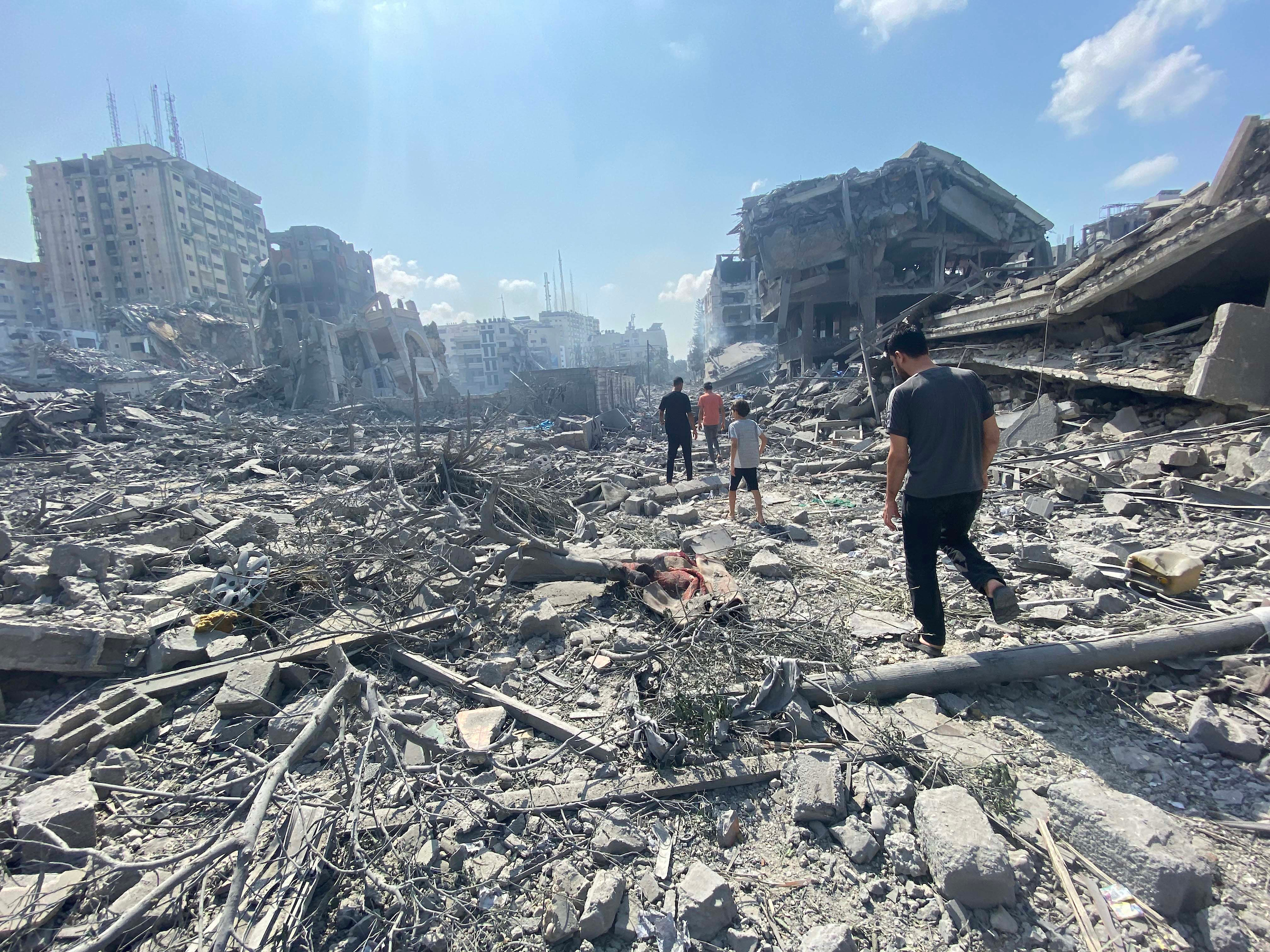
The backdrop to these developments is the ongoing war in Gaza, which has led to large-scale civilian displacement since October 2023. Israeli operations in urban areas have already forced many residents southward, and fears of further movements continue to grow. Proposals for relocation to tent camps or humanitarian zones have circulated in international discussions, but they remain highly contested. Egyptian officials have rejected the notion that such movements could ever be considered voluntary, insisting that conditions in which civilians are left with no choice but to leave cannot be separated from coercion.
The international community is now watching closely to see how these warnings will play out. If Egypt were to escalate militarily, even in limited fashion, it could trigger a broader regional crisis. At the same time, the warnings reinforce Cairo’s long-standing role as both mediator and protector of Palestinian rights. The outcome of this dispute may determine not only the course of the war in Gaza but also the stability of one of the Middle East’s most strategically sensitive borders.