


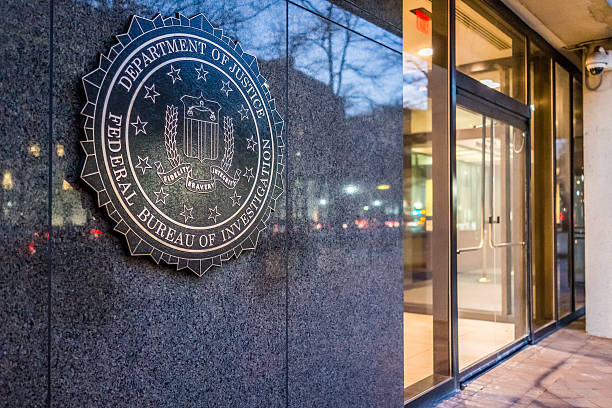
FBI agents searched the home of former national security adviser John Bolton early Friday morning. The operation, carried out at his residence in Bethesda and at a Washington, D.C. office tied to him, began shortly after sunrise and was confirmed later in the day by the bureau.
Authorities have not released details on what was seized, but the search is connected to concerns over the handling of classified information. Investigators are examining whether sensitive materials were improperly retained or disclosed. While this inquiry inevitably recalls past disputes over Bolton’s 2020 memoir, The Room Where It Happened, federal officials have emphasized that the current search is rooted in a separate investigation.
Witnesses reported FBI agents arriving in unmarked vehicles before blocking off portions of the quiet suburban street. Boxes and files were seen being carried out of the residence. A similar scene unfolded at an office in Washington, where agents spent hours collecting potential evidence.
The searches were authorized at the highest levels of the bureau. Director Kash Patel approved the operation, and federal sources confirmed it was executed under a court-issued warrant. The Justice Department has also expressed support for the bureau’s actions, calling the investigation part of its ongoing responsibility to safeguard national security.
Bolton, who was not home at the time of the raid, has not been charged with any crime, and there have been no arrests connected to the operation. His representatives have not issued a public response, and it remains unclear whether he was given advance notice of the search.
The development adds a new chapter to Bolton’s complicated role in recent political history. A longtime Republican foreign policy figure, Bolton served as U.S. ambassador to the United Nations under President George W. Bush and later as national security adviser under President Donald Trump from 2018 to 2019. He left the Trump administration on contentious terms, later publishing a book sharply critical of the former president’s conduct in office.
Trump himself reacted to news of the raid by continuing his public criticism of Bolton, but denied any prior knowledge of the FBI’s plans. The rivalry between the two men, dating back to Bolton’s departure, has long been a feature of Trump’s post-presidency commentary.
The FBI’s move underscores the broader landscape of accountability questions surrounding classified documents and senior officials. Recent years have seen multiple high-profile investigations into how such materials are managed, reflecting heightened concerns over national security risks and government transparency.
For now, the Bolton search remains in its early stages. Legal analysts caution that a federal search warrant signals a judge found sufficient grounds to believe evidence of potential wrongdoing could be uncovered, but it does not automatically translate into criminal charges. The coming weeks are expected to determine whether the materials seized will support further legal action or simply close another chapter in the ongoing scrutiny of high-level figures who once held sensitive national security posts.
As investigators sort through the evidence, the political reverberations of the raid are already being felt in Washington. The search of Bolton’s home marks one of the most striking examples in recent years of the Justice Department’s willingness to pursue inquiries into prominent political figures, regardless of their current influence or former titles.