


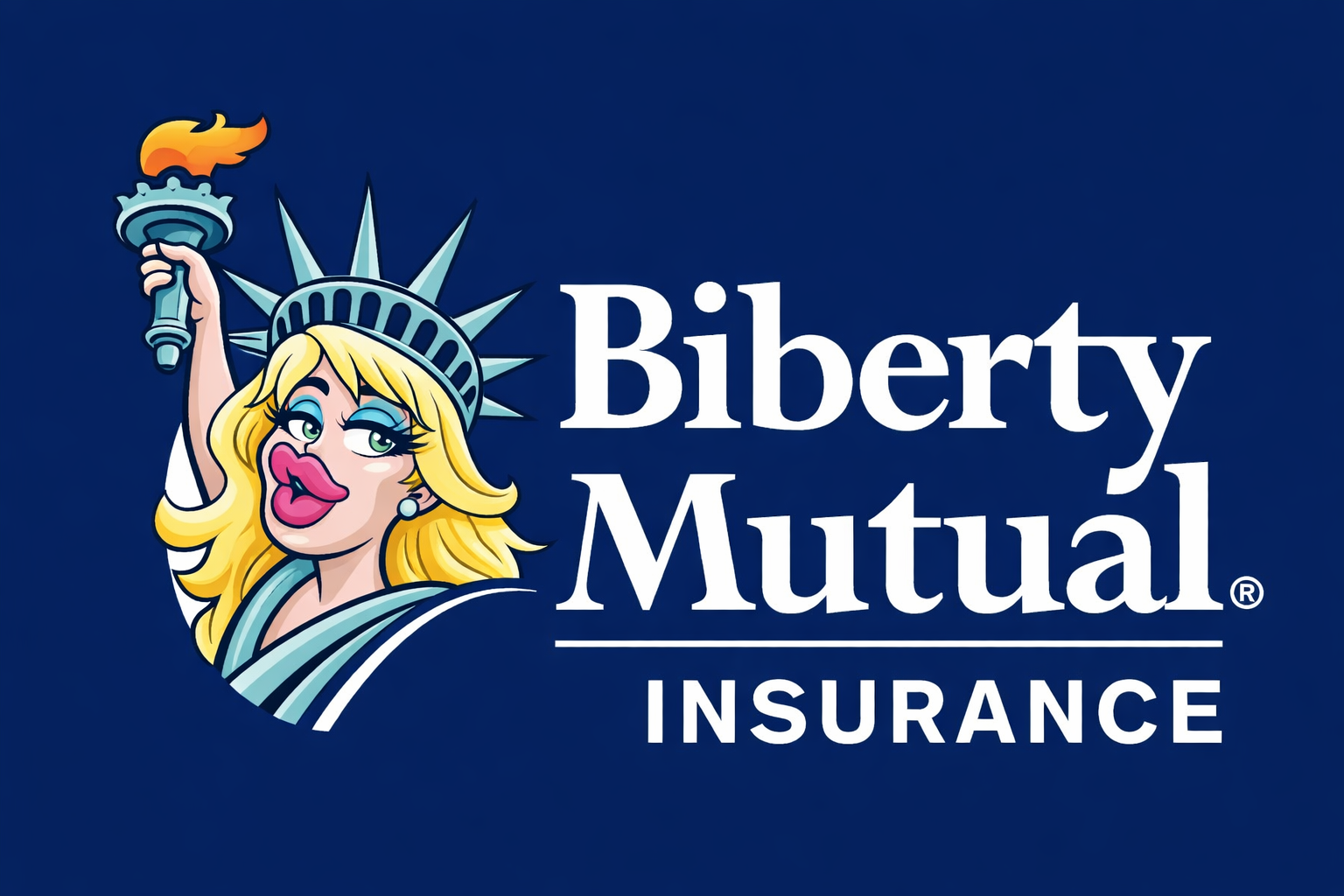
Sometimes I wonder whether I am simply getting older or whether advertising has genuinely taken a strange turn. Perhaps it is a little of both. Experience has a way of sharpening the lens through which you see the world, and lately that lens has been focused on a particular set of commercials from Liberty Mutual Insurance.
If you have watched television at all in the past few months, you have likely seen them. Two characters stumble through simple words like lasagna and panini, tripping over syllables as though pronunciation itself were a competitive sport. The punchline is supposed to be charming. The humor is meant to be harmless. The brand name is repeated enough times that it becomes a jingle lodged in your head whether you like it or not.
And yet I cannot help but ask a larger question. When a company spends millions of dollars on a national advertising campaign, what exactly is the message beneath the surface? Insurance is not a novelty product. It is not a snack food or a summer blockbuster. Insurance represents protection, responsibility, and long-term financial security. It is something families rely on during the worst days of their lives. It is a promise of competence.
So what happens when that promise is wrapped in slapstick incompetence?
It is one thing to mispronounce “lasagna” for comedic effect. It is quite another to repeatedly mispronounce your own company’s name. In the same campaign, the characters blur “Liberty” into something closer to “Bibberty,” exaggerating the hard B sound as part of the joke. At that point, the humor stops being about the word and starts being about the brand itself. When your own commercial cannot clearly articulate your company’s name, the foundation of your identity becomes the punchline. The appearance of incompetence should never be the demographic a brand aims to attract.
Brand names are not accidental. They are tested, refined, and protected. Companies invest enormous resources into building recognition and trust around a specific sound, a specific cadence, a specific identity. If the people on screen cannot pronounce lasagna, what does that subconsciously suggest about their ability to calculate deductibles or process claims? And if they cannot clearly say Liberty Mutual, what does that say about the seriousness with which the brand treats its own image?
Of course, marketing strategists would argue that the goal is memorability. Repetition builds familiarity. Familiarity builds comfort. Comfort builds sales. The jingle sticks. The name echoes. You remember it when shopping for coverage. On paper, the formula makes sense.
But advertising also signals who a company believes its audience to be. When the central joke relies on cluelessness, it raises an uncomfortable thought. Is the company assuming that its audience identifies with that level of confusion? Or worse, is it suggesting that confusion is normal and acceptable when dealing with something as serious as insurance?
Perhaps I am reading too much into it. Perhaps the commercials are simply designed to make us smile for thirty seconds before the next program resumes. Yet in an era where consumers are increasingly skeptical of corporate behavior, tone matters. Competence matters. Trust matters.
Insurance companies are not selling entertainment. They are selling reassurance. They are selling stability. They are selling the idea that when the unexpected happens, someone on the other end of the line knows exactly what they are doing. When advertising leans too heavily into bumbling humor, and even turns the company’s own name into a running gag, it risks undercutting that very reassurance.
There is also the broader cultural question of what we reward. Do we respond more readily to companies that present themselves as polished and professional, or to those that lean into self parody? The answer likely varies by generation. Younger viewers raised on irony may find the absurdity relatable. Older viewers who equate professionalism with credibility may find it grating.
In the end, it is the company’s campaign and the company’s risk to take. Advertising budgets are not small change. Every creative choice is intentional. If the numbers show that the strategy works, the commercials will continue. If not, they will quietly fade away like so many others before them.
But as a viewer and a consumer, I cannot ignore the instinctive reaction. When I am choosing who protects my home, my car, or my livelihood, I am not looking for comic relief. I am looking for competence. I am looking for clarity. I am looking for confidence.
Liberty may be repeating its name over and over, even if it is not always pronounced correctly, but repetition alone does not equal trust. At some point, every brand must decide whether it is selling a joke or selling peace of mind. And as consumers, we get to decide which one we are buying.