


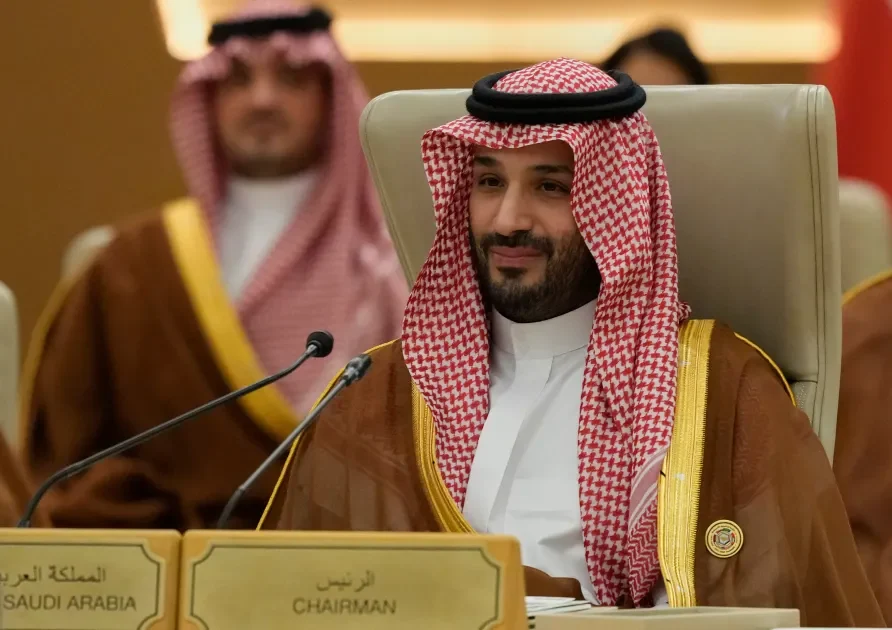
Saudi Arabia and Pakistan formalized a new mutual defense pact on Wednesday, strengthening a partnership that has spanned decades and underscoring changing security calculations in the Middle East and South Asia. The agreement is being described as one of the most significant expansions of cooperation between the two nations in recent years, reflecting a convergence of strategic interests as both countries confront heightened regional tensions.
The pact builds on longstanding military and political ties. Pakistan has historically provided military training and personnel to the Kingdom, while Saudi Arabia has offered extensive financial assistance to Islamabad, including energy supplies and development aid. The new arrangement deepens that cooperation, creating a formal framework for joint defense commitments, military coordination, and potential collaboration on advanced weapons systems.
While the details of the agreement remain limited, regional observers note that the pact comes at a time when Gulf Arab states are reassessing their reliance on the United States for security guarantees. Over the past decade, Washington has signaled a shift in focus toward Asia and has sought to reduce its military footprint in the Middle East. This recalibration has left key U.S. allies, including Saudi Arabia, increasingly wary of Washington’s reliability in responding to emerging threats.
For Pakistan, the agreement is both symbolic and practical. The country has faced ongoing security challenges, including instability along its border with Afghanistan, as well as tensions with neighboring India. A stronger defense relationship with Saudi Arabia provides Islamabad with economic and diplomatic support at a time when it is seeking to stabilize its economy and strengthen its regional standing. The agreement also gives Pakistan a more prominent role in Middle Eastern security discussions, elevating its position beyond South Asia.
The timing of the pact reflects a period of heightened volatility in the region. Ongoing conflicts in Yemen, tensions between Iran and Gulf states, and shifting global alliances have created a fluid security environment. By formalizing their defense cooperation, Saudi Arabia and Pakistan are signaling an intent to safeguard their interests more independently, while reinforcing a relationship that has often extended beyond pure military matters into the economic and cultural spheres.
Analysts caution that the practical scope of the pact remains to be tested. Both countries will need to balance their broader international relationships carefully. Saudi Arabia continues to maintain security and economic ties with the United States, while Pakistan remains reliant on international financial institutions and sensitive to its delicate relationship with both China and the West. How this defense agreement is implemented will likely depend on developments in the wider region, including U.S. foreign policy decisions and Iran’s regional posture.
For now, the pact represents a significant milestone in the Saudi-Pakistani relationship, highlighting the ways in which both nations are adapting to a shifting security landscape. By placing their partnership on a more formal foundation, they have signaled their intention to deepen cooperation and to prepare for an uncertain era in regional geopolitics.