


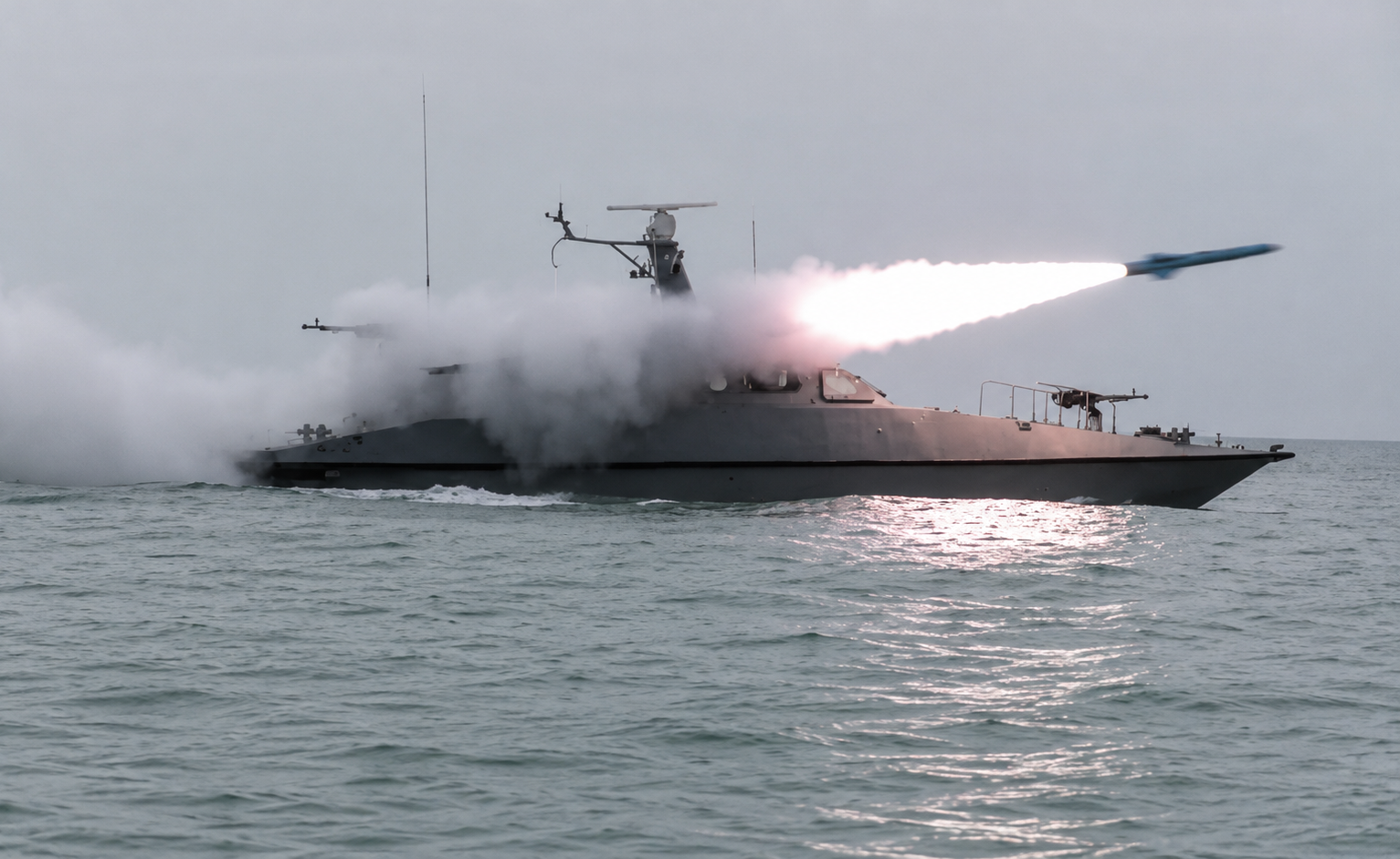
Military exchanges resumed along the Israel-Lebanon border Saturday while Iran announced the closure of the Strait of Hormuz, creating fresh uncertainty across a region that had shown signs of diplomatic progress only days earlier.
The developments unfolded within hours of a ceasefire agreement between Israel and Hezbollah that had been expected to reduce hostilities in southern Lebanon. Instead, reports from the region indicated that combat operations continued Saturday, with both sides accusing the other of violating the terms of the agreement.
At nearly the same time, Iranian military officials announced that the Strait of Hormuz had been closed, citing concerns tied to the ongoing conflict and recent diplomatic negotiations involving the United States. The announcement immediately drew international attention because of the waterway’s role in global energy transportation.
The Strait of Hormuz serves as the primary maritime route for oil and natural gas exports from several Gulf nations. A substantial share of the world’s seaborne energy shipments travels through the narrow passage each day, making it one of the most strategically important waterways in international commerce.
Despite Iran’s announcement, the operational status of the strait remained unclear Saturday. Shipping monitors and international officials reported that commercial vessel traffic continued to move through the region, leaving open questions about whether Tehran intends to fully enforce the declaration or use it as a diplomatic and political signal.
The situation developed only days after the United States and Iran reached an agreement that officials described as an effort to reduce tensions and improve regional stability. Saturday’s events quickly shifted attention from those diplomatic efforts to questions surrounding regional security, maritime commerce and the future of the agreement itself.
The return of fighting in Lebanon added another layer of uncertainty. The border region has experienced repeated periods of violence involving Israeli forces and Hezbollah, with previous ceasefires proving difficult to maintain. Saturday’s reports suggested that the latest agreement faced challenges almost immediately after taking effect.
Government officials, military analysts and energy markets spent much of the day assessing the implications of both developments. Any sustained disruption involving the Strait of Hormuz could have consequences for global energy supplies, while continued fighting in Lebanon risks further instability in an area that has remained a source of regional tension for years.
As of Saturday evening, international attention remained focused on two unanswered questions: whether military activity in Lebanon would continue to expand and whether Iran would take additional steps affecting commercial traffic through the Strait of Hormuz.
The answers could shape both the diplomatic discussions now underway and the economic impact of a crisis that is being watched closely by governments and markets around the world.