


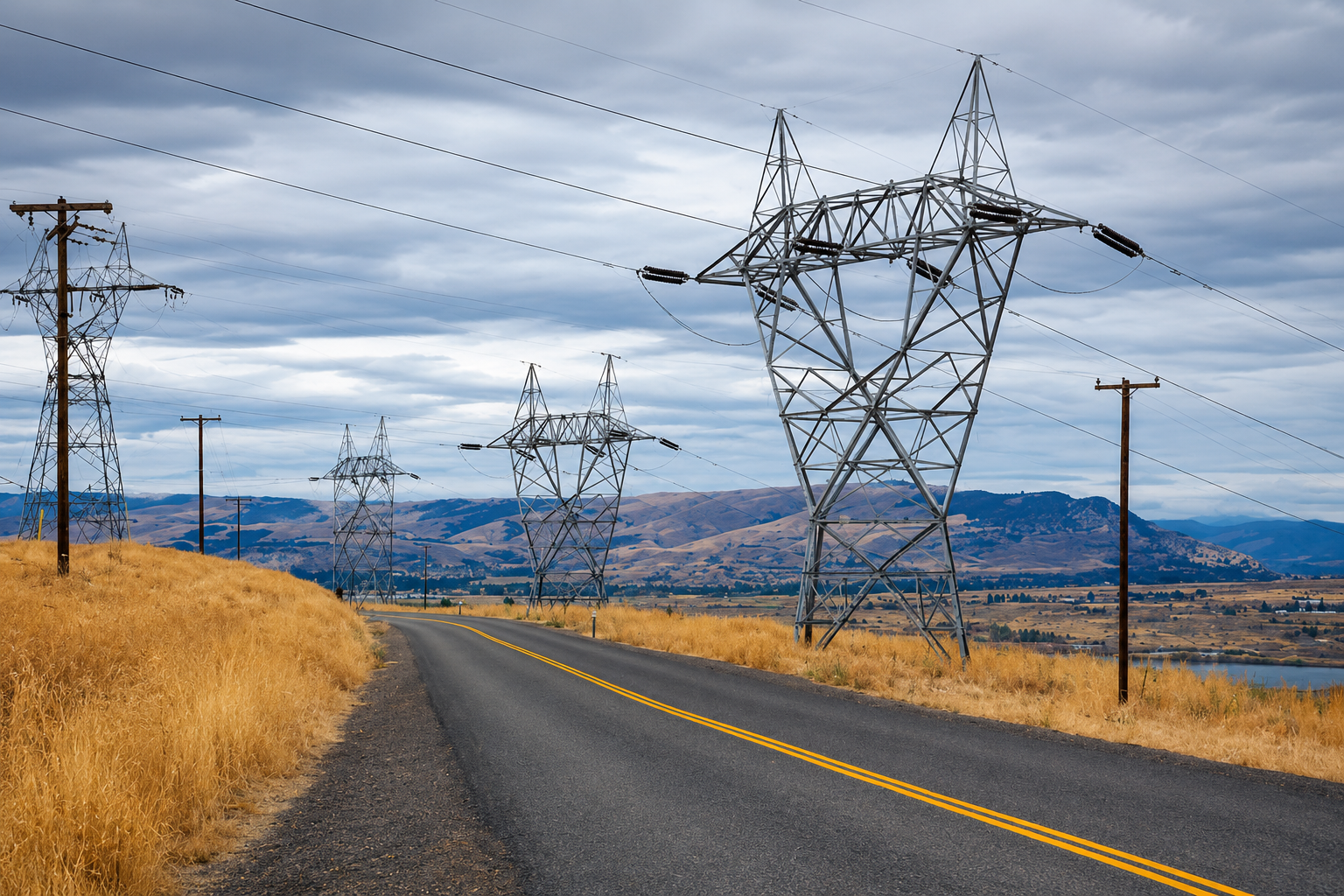
A utility relationship stretching back more than a century could soon come to an end in Oregon as Idaho Power moves through the regulatory process required to sell its Oregon electric distribution business to Oregon Trail Electric Cooperative in a $154 million transaction that would shift approximately 20,000 customers from an investor-owned utility to a member-owned cooperative.
The proposed transaction is concentrated in Eastern Oregon and would not change electric providers, rates or service territories for residents of Southern Oregon. Josephine, Jackson, Douglas, Klamath and other southwestern Oregon communities are outside the Idaho Power territory included in the sale. The economic significance of the transaction instead rests in the size of the territory changing hands, the agricultural and commercial customers involved and the departure of Idaho Power from direct retail electric service in Oregon.
Under the agreement, Oregon Trail Electric Cooperative, known as OTEC, would acquire Idaho Power’s Oregon distribution system and designated transmission assets for a base purchase price of $154 million, subject to adjustments at closing. Residential customers would be joined in the transfer by irrigation, commercial and industrial accounts across Malheur, Harney, Baker and Wallowa counties.
Idaho Power and OTEC announced the agreement in February after executing a definitive purchase agreement earlier that month. The companies followed in May with the regulatory filings necessary to begin transferring the assets and service territory. The Oregon Public Utility Commission is considering the proposal under Docket UM 2447, a contested proceeding that gives regulators, participating organizations and customers an opportunity to examine the financial and operational consequences before a final decision is reached.
For Idaho Power, the proposed sale represents a substantial geographic change but a comparatively small reduction in its overall electric business. The company expects Oregon to account for less than 3 percent of its total electricity sales by 2030. At the same time, population growth and increasing electricity demand in Idaho are requiring continued investment in generation, transmission and local distribution infrastructure.
Selling the Oregon distribution operation would allow Idaho Power to concentrate its retail utility operations primarily in Idaho while transferring its Eastern Oregon customers to an electric cooperative already established in the region. The transaction would not amount to a complete physical departure from Oregon. Idaho Power would continue owning and operating certain generation and transmission infrastructure in the state, including its involvement with the Boardman to Hemingway transmission project.
OTEC currently serves portions of Baker, Union, Grant and Harney counties. Acquiring Idaho Power’s Oregon territory would considerably expand that footprint and place thousands of additional households, farms and businesses within the cooperative system.
The ownership structure represents one of the largest changes customers would encounter. Idaho Power operates as an investor-owned utility, while OTEC is owned by the members it serves. Customers transferred under the transaction would therefore become cooperative member-owners rather than remaining customers of an investor-owned electric company.
That structural change does not establish what customers ultimately will pay for electricity. Rates and other financial effects will depend on regulatory decisions, acquisition financing, infrastructure expenses, wholesale electricity costs and the economics of integrating the additional territory into OTEC’s existing system. Under the proposed arrangement, OTEC would purchase wholesale electricity from Idaho Power through a multiyear power supply agreement to serve customers acquired through the transaction.
Agriculture gives the proceeding additional economic weight in Eastern Oregon. The affected territory includes irrigation customers whose operations depend heavily on electricity for pumping and other agricultural uses. Commercial businesses and industrial accounts are also included, making the regulatory review relevant not only to household utility expenses but to operating costs across portions of the regional economy.
The Oregon Public Utility Commission is examining whether the transfer meets regulatory requirements and protects the interests of customers while maintaining reliable electric service. The case has already moved through several procedural stages since the joint application was filed May 20 and remains under active review.
Public participation is continuing as part of that process. Following a virtual public comment hearing held August 18, commissioners and the administrative law judge overseeing the case are scheduled to hold an in-person public comment hearing Monday, August 24, at Ontario City Hall. Additional testimony, settlement proceedings and regulatory filings are expected to continue through the remainder of 2026.
The transaction also requires regulatory consideration outside Oregon. Idaho Power has identified approvals involving the Idaho Public Utilities Commission and the Federal Energy Regulatory Commission among the conditions necessary to complete the sale. Federal oversight is relevant because the agreement involves transmission assets in addition to the local distribution system.
A final transfer therefore has not occurred, and Idaho Power remains the electric provider for its Oregon customers while the regulatory process continues. The companies have targeted early 2027 for completion if the necessary approvals and closing conditions are satisfied. Oregon regulators have established a proceeding that currently extends into early 2027 before a final commission decision is expected.
For Southern Oregon, the boundaries of the transaction are clear. Electric customers in Grants Pass, Medford and surrounding southwestern Oregon communities are not among the approximately 20,000 accounts proposed for transfer. The sale does not move Pacific Power customers or customers of Southern Oregon electric cooperatives into OTEC, nor does it establish new electricity rates for those areas.
Its statewide importance comes instead from a major reorganization of Oregon’s utility map. If approved, Idaho Power would cease directly serving retail electric customers in Oregon after generations of service, while an Oregon-based cooperative would assume responsibility for a large rural territory spanning communities, farms and businesses across the eastern side of the state.
Until regulators complete their review, however, the $154 million agreement remains a proposed transaction rather than a completed sale. For the thousands of Eastern Oregon customers whose utility relationship could change, the decisions still ahead will determine how more than a century of Idaho Power retail service in Oregon ultimately comes to an end.